
I think we can all agree that a step stool is a pretty functional item to have around the house. But what if you could up the ante and make it even more useful? I’d say that’s a no-brainer, right?
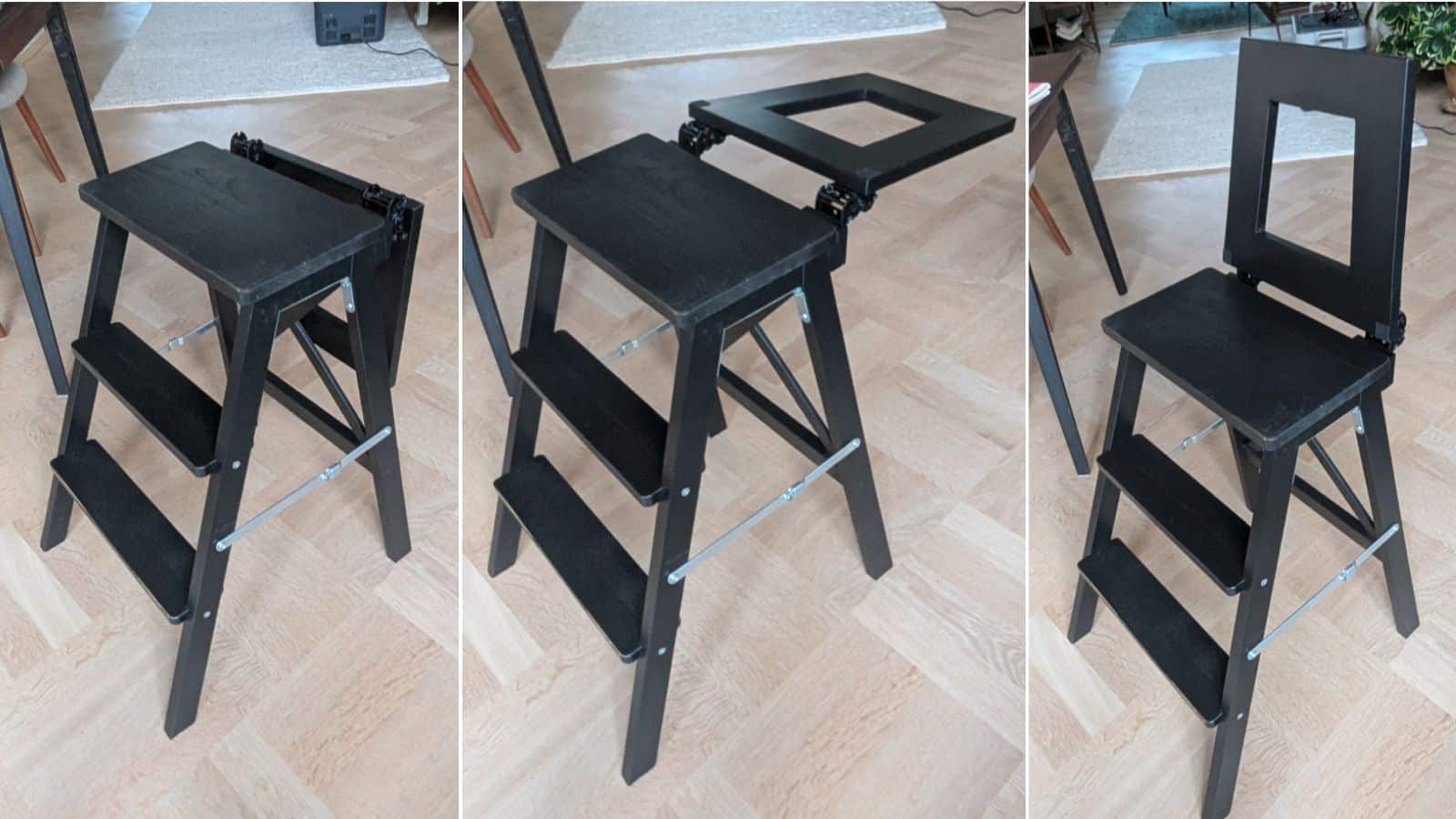
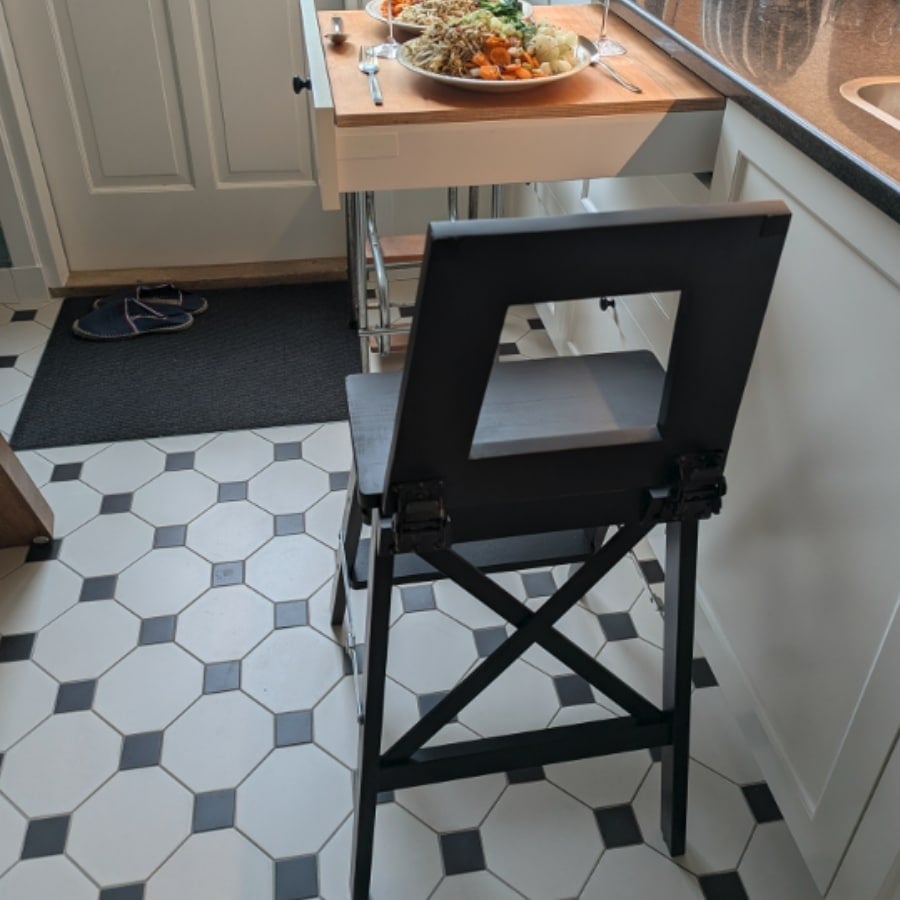
IKEA hacker Joost van Boeschoten did exactly that with their BEKVÄM step stool, adding a foldable back support to effectively transform it into a chair as needed. It’s a simple concept that makes a big difference, especially when you want to make the most of a small area.
Multi-functional pieces help you maintain a less chaotic space, allowing you to streamline your design and free up the floor. Tweaking the step ladder so that it can act as extra seating, complete with back support, is an excellent example.
What You’ll Need
- BEKVÄM step stool, black (24 ¾”)
- Wood (pine) 2×7 cm and 2×4 cm, lengths depend on the dimensions of the back support you make
- Small wood pieces
- Locking hinges (90 or 180 degrees)
- Wood glue
- Primer and paint
- 8mm low-profile screws
- Basics — drill, screw gun, saw, tape measure, pencil
How to Upgrade the BEKVÄM Step Stool to a Chair
1. Design and Construct the Back Support
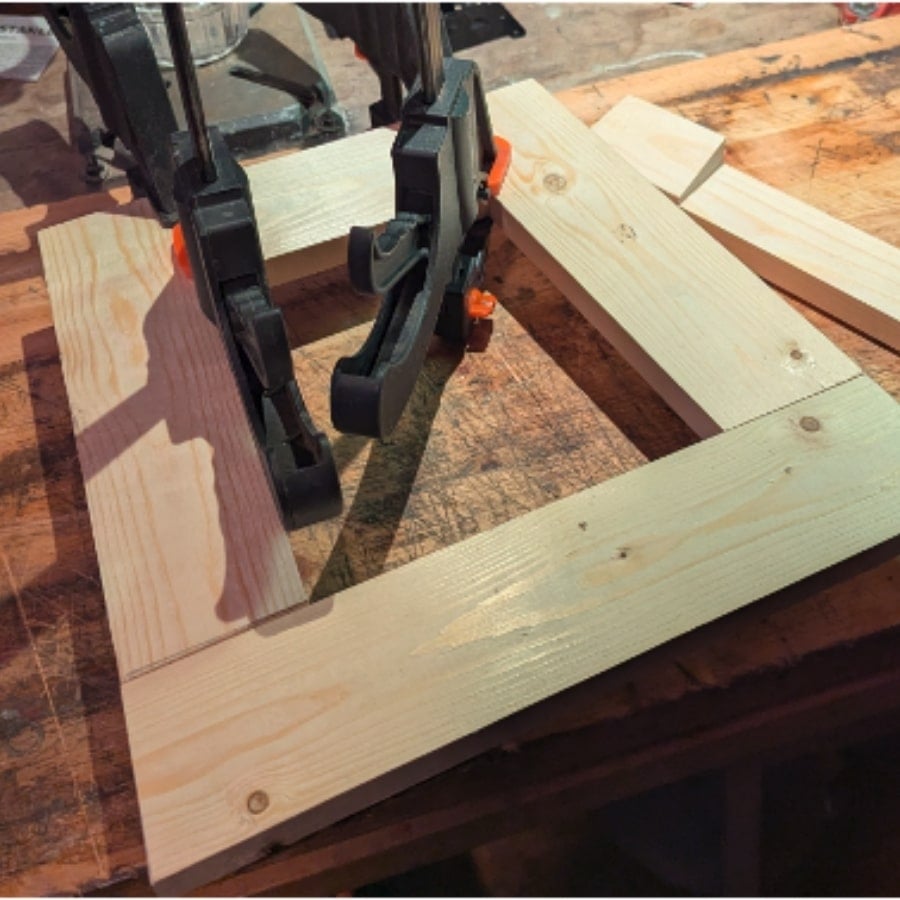
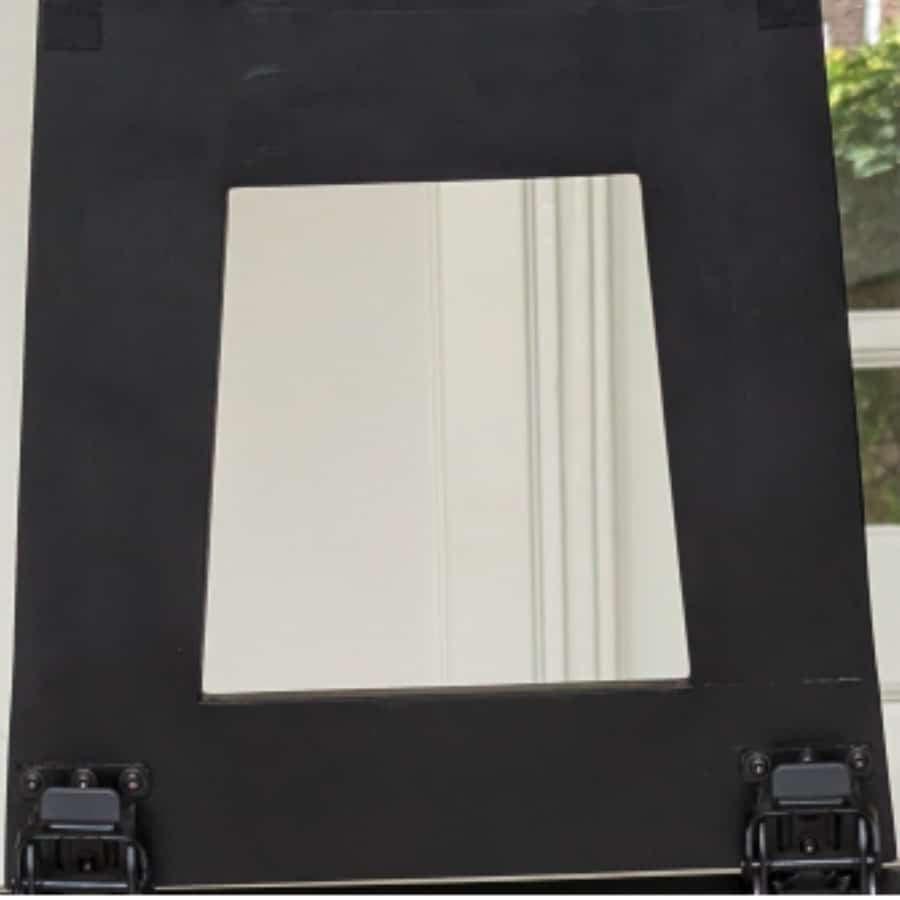
Decide on the style of your back support. For example, Joost chose a symmetrical trapezium, advising to give the sides the same angle as the step stool to create an aesthetically pleasing finish. The angle is very slight, about three or four degrees.
2. Make the Base
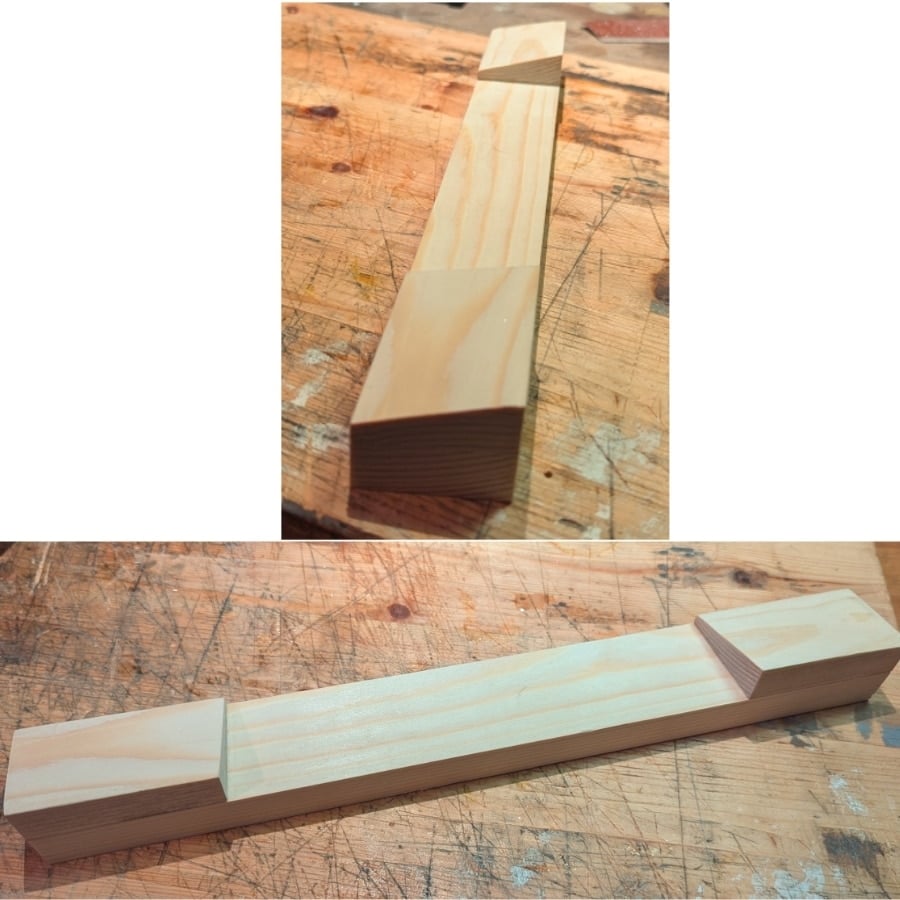
The hacker mentions that having some woodworking skill comes in handy for this step since you need to saw pieces of wood into the appropriate shape. The back support needs an angle between 95 and 105 degrees from the seating.
Joost’s is about 102 degrees. Also, this number is the net angle of degrees, since you’ll attach the base to the back legs of the step stool, and these legs are already at an angle to the seating.
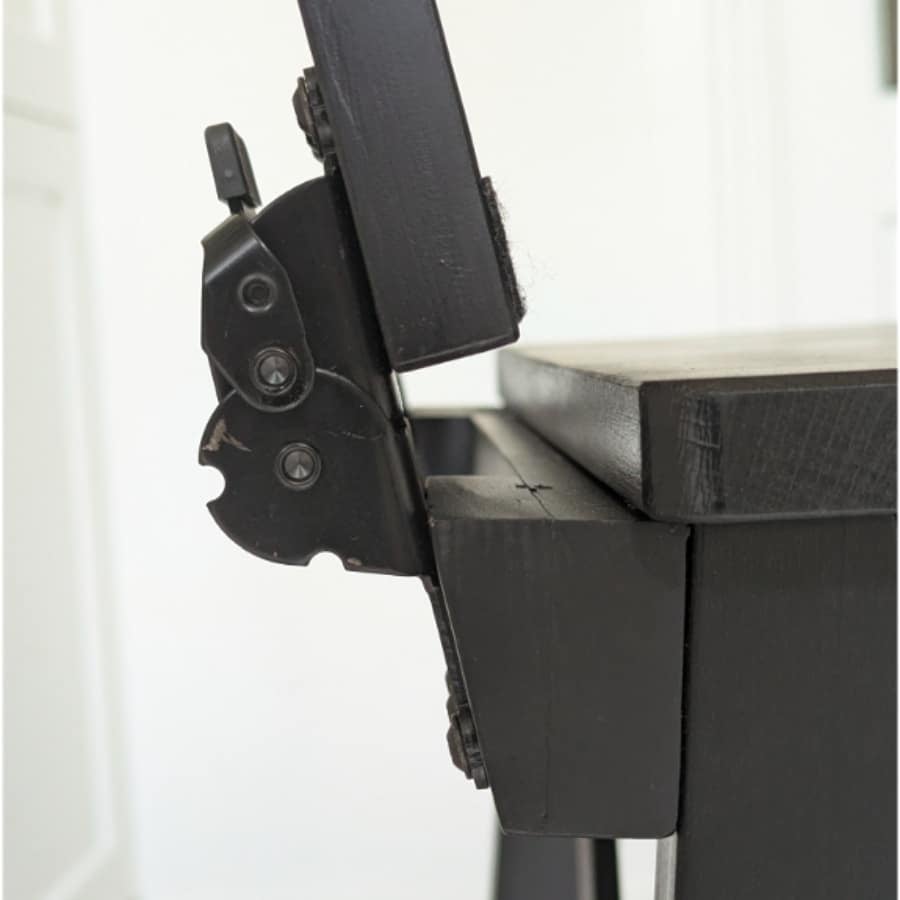
3. Reinforce the Seating
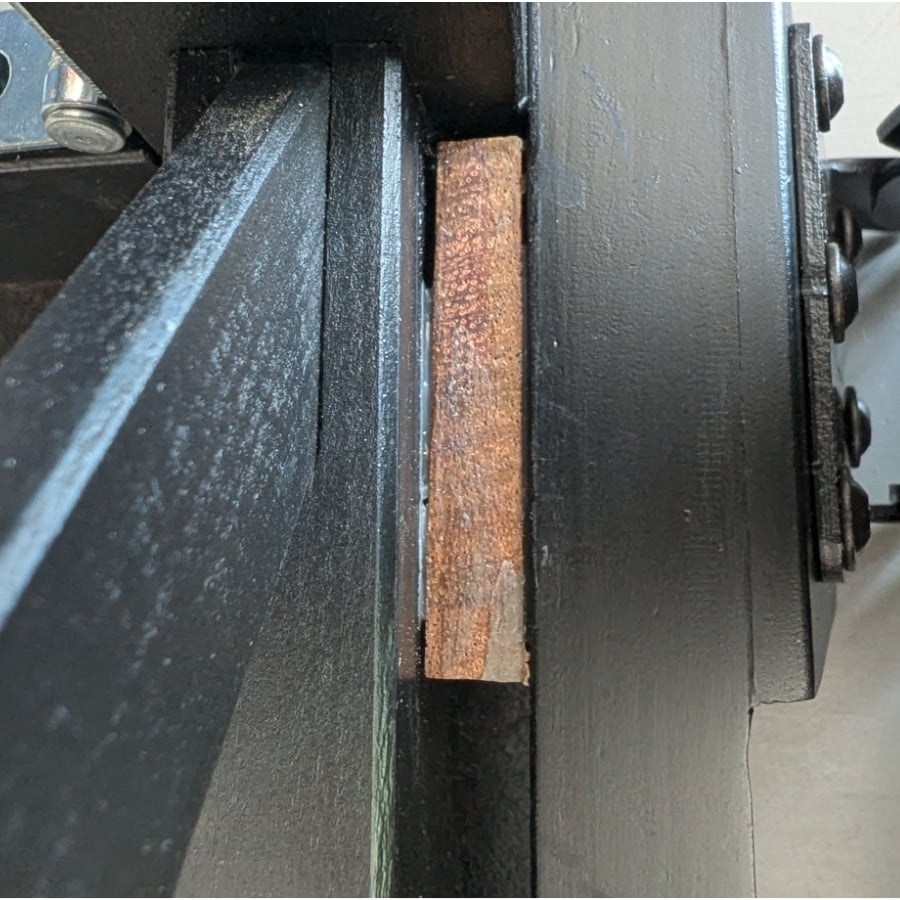
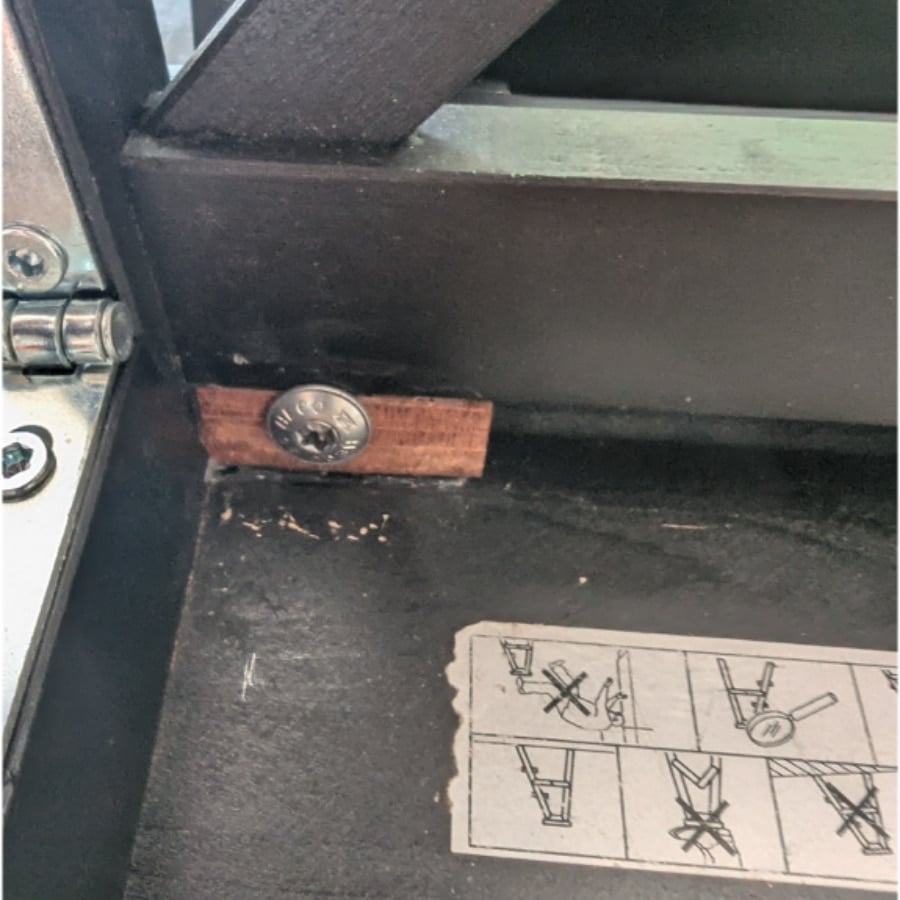
Glue small pieces of wood in the open spaces on the underside of the seating where the base attaches.
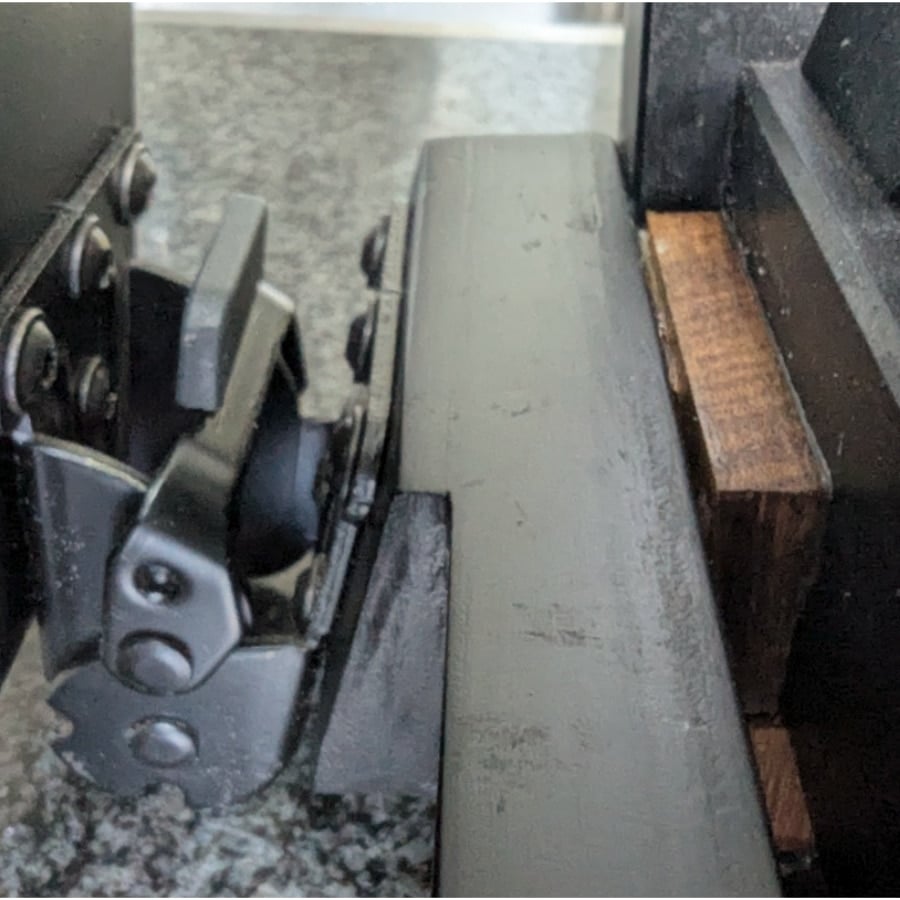
4. Paint the Base and Back Support
Spray paint the base and support matte black if you choose to use the black step stool. Alternatively, you could select the lighter stool, or decide to paint everything a new hue.
5. Attach the Base
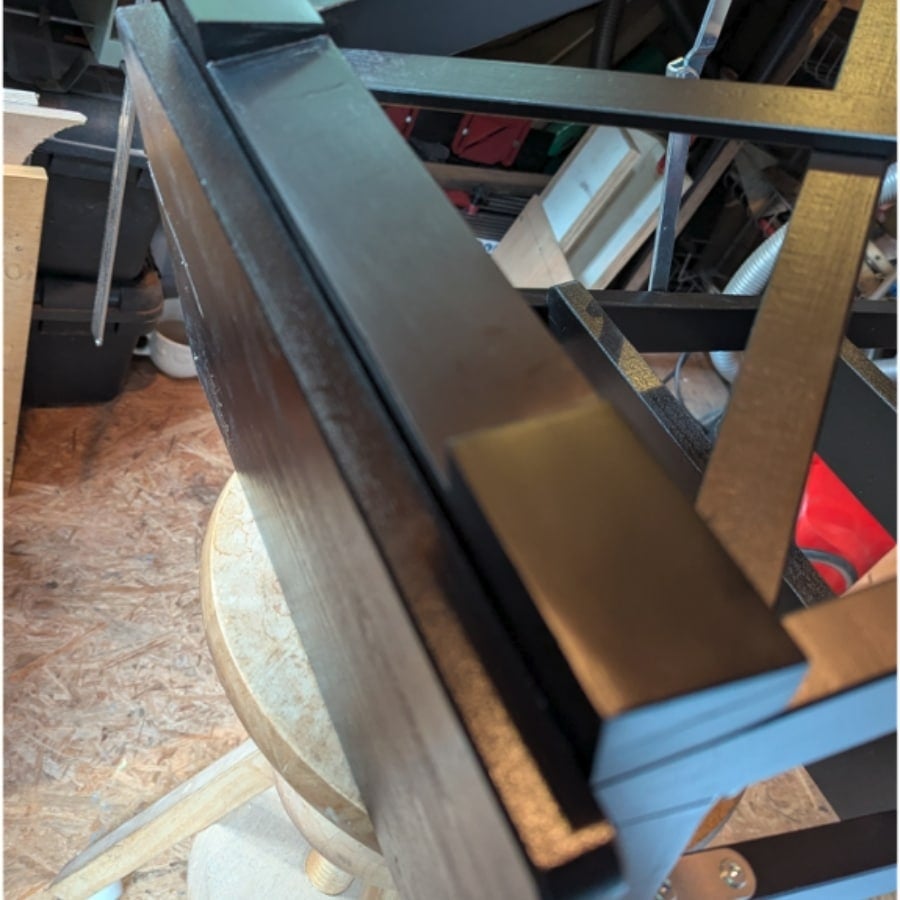
Attach the base to the top leg, just below the seating, from inside the step stool using 8mm low-profile screws. Pay attention to the length of your screws. You want them just long enough to go through without coming out the other side.
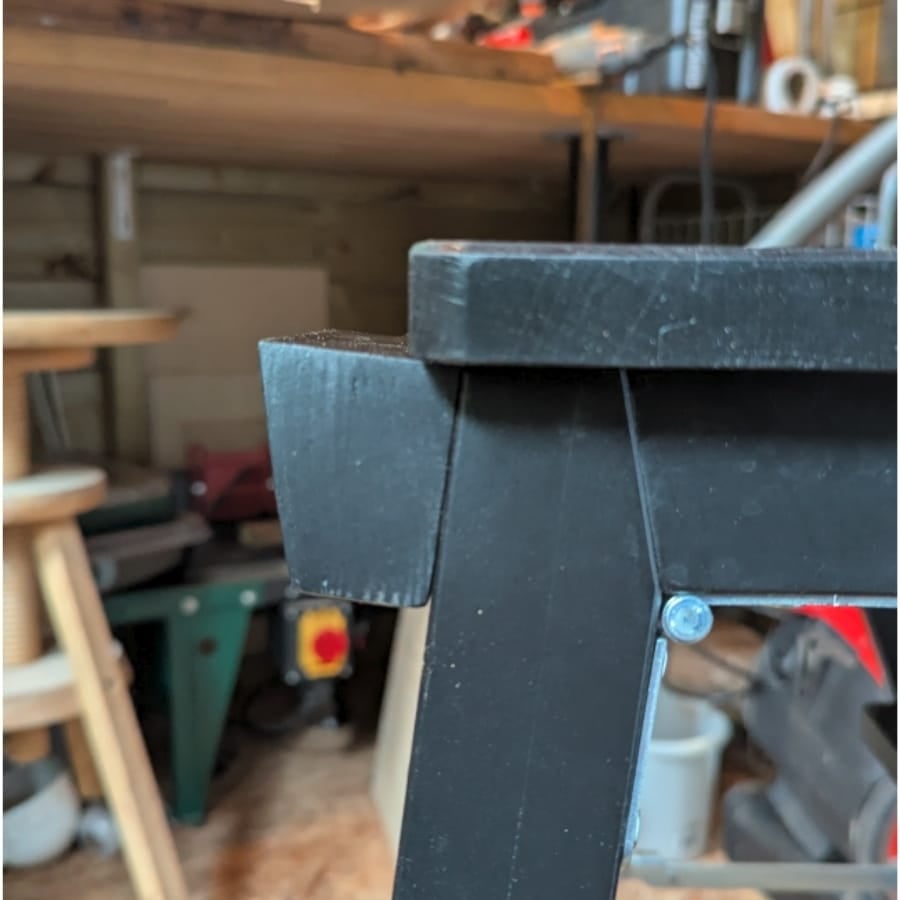
6. Install the Back Support
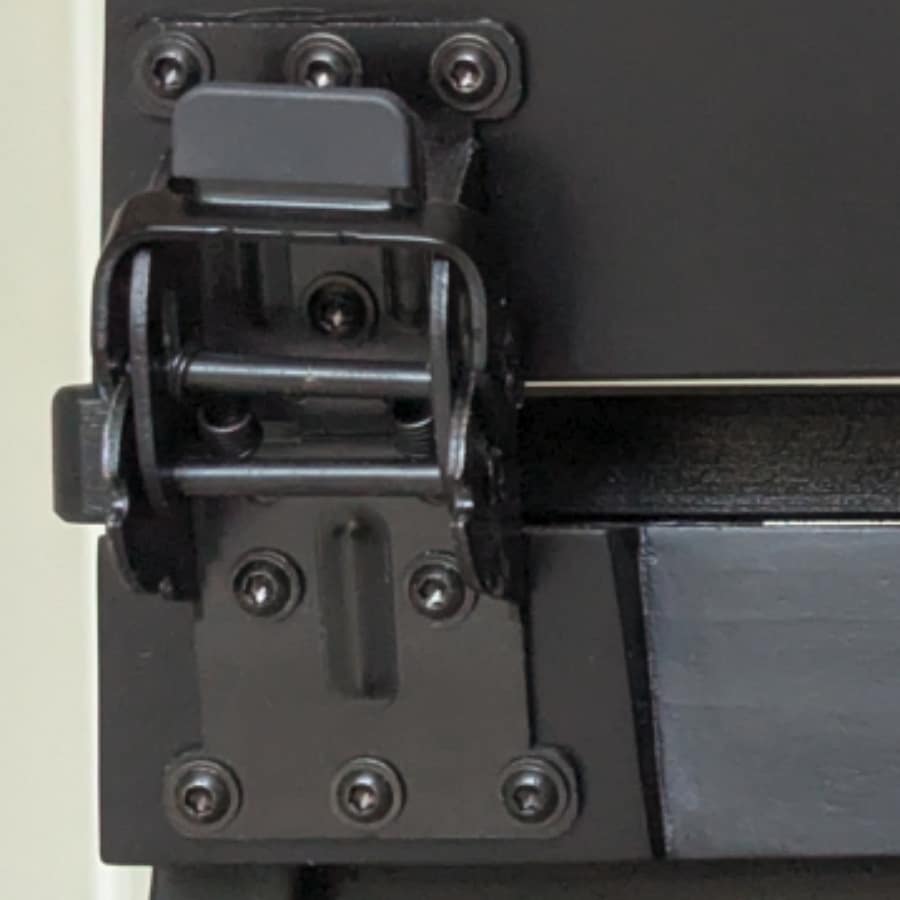
Decide where you need to make the holes for the hinges. You may also want an extra set of hands for this step. Primarily, you need someone or something, like clamps, to hold the support upright so you can position the hinges properly. Mark the holes, drill, then attach using the locking hinges.
A note about the hinges: Joost suggests buying the hinges before you design and construct the back support and base so you can match the dimensions. They also warn not to get hinges that are too small.
How much did this hack cost? The hack costs about $35 for wood and supplies, and the step stool is $59.99.
How long did the hack take? Expect to spend approximately 15 to 20 hours on the project, not counting the time to plan the design.
Q & A With the Hacker
Why did you decide to hack the item?
At our house, we use the stool in our kitchen, but it’s not very comfortable without a back support. You can’t sit on it for more than five minutes, so it needed a back.
What do you like most about the hack?
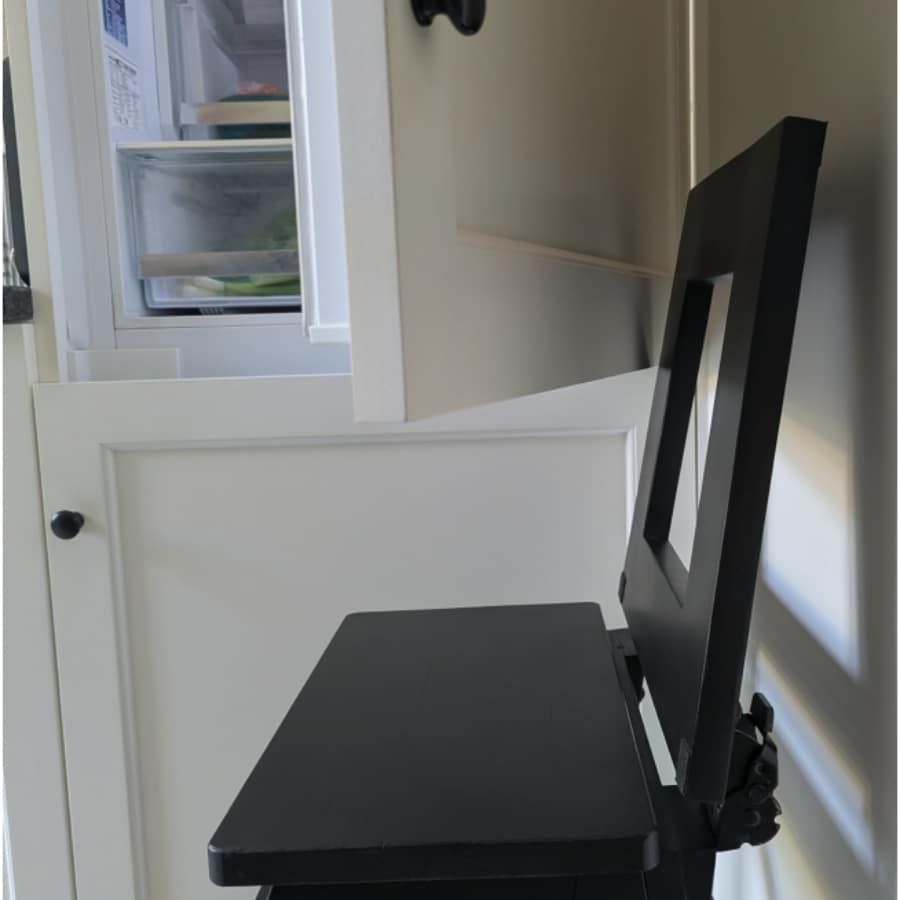
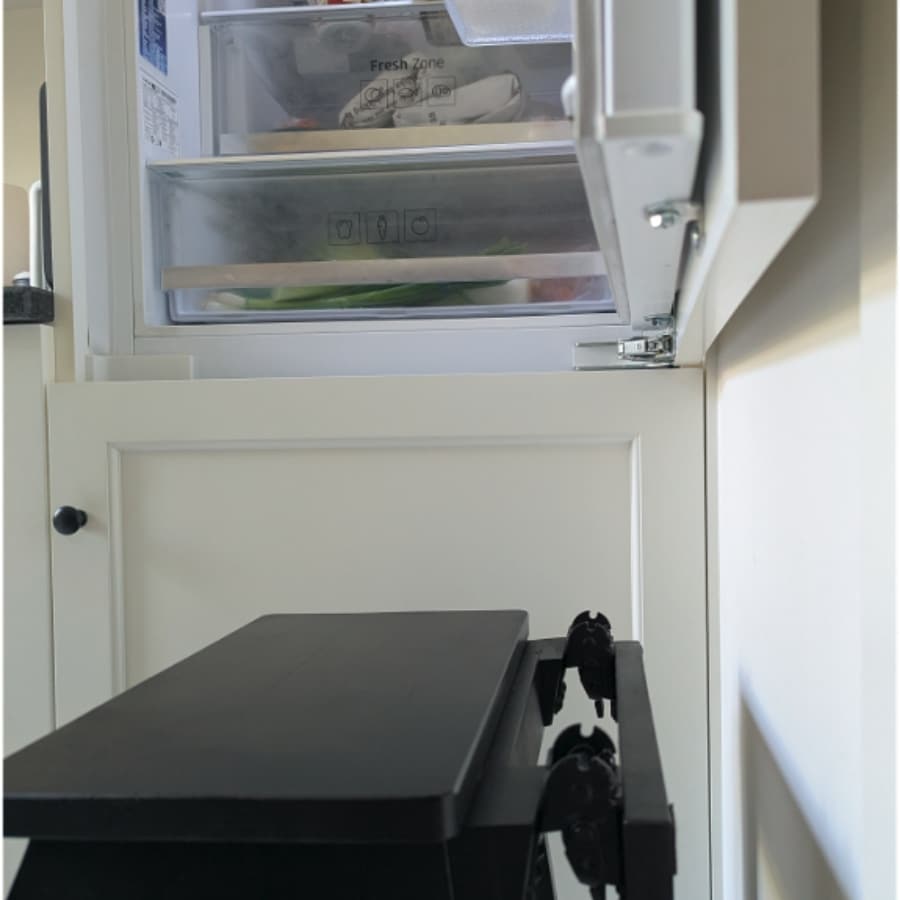
The folding mechanism. We have the step stool in our kitchen near our fridge, which has two doors, vertically. The upper door wouldn’t open fully if the stool had a fixed back support.
What was the hardest part about this hack?
Creating the angled base.
What to pay special attention to?
The folding legs of the step stool itself won’t fold anymore once the base and reinforcement are fixed into place.
Is it comfortable?
Joost said, “I was concerned that the back support would not be comfortable to sit against. I have asked various people about this, and they tell me it sits comfortably.”
There are a lot of hacks that recreate the BEKVÄM step stool in its various forms, and this is another great example of how you can transform this IKEA favorite.
What do you think? Want to give this one a try? Or do you have a hack to share that puts a different twist on the popular step stool?