
Most people flinch when they see a praying mantis. But what if you gave one a home so stunning, it stopped you in your tracks instead?
I admit, a mantis terrarium isn’t something I’ve ever thought about making. I mean, it is pretty specific, but it’s also really cool, especially if you’re into insects.
The more I looked at this hack, the more I thought about just how special it is.
My son loves bugs, and the ones that pop up in his insect books frequently are orchid mantises. They’re beautiful little guys. Also, I totally get the appeal of studying creepy crawlies.
This build-your-own terrarium from Reddit user Enzo_Limonelli is a great way to give a beautiful home to your favorite insect or create a greenery display.
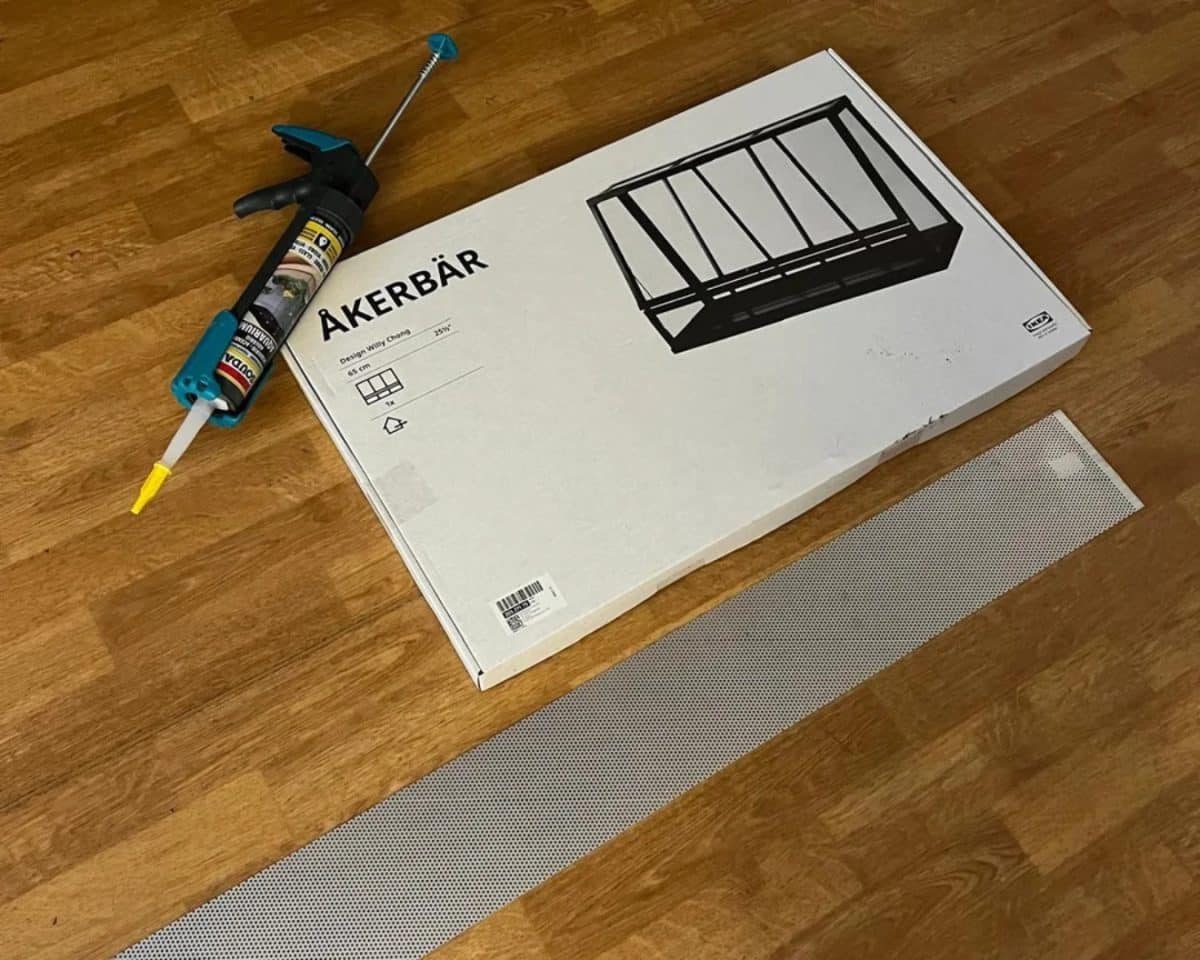
What You’ll Need
- IKEA ÅKERBÄR greenhouse
- Aluminum perforated sheet
- Pliers/shears for cutting metal
- Aquarium silicone
- Silicone or rubber furniture pads (to protect surfaces)
- Low-nutrient terrarium substrate
- Cork bark pieces
- Wire
- Rocks/decor
- Isopods and springtails (to keep things clean)
- Dried moss
- Plants
- Small fan (optional)
- LED lamp
- Heat mat (optional)
Make Your Own Mantis Terrarium
1. Prep the ÅKERBÄR Greenhouse
Remove the top plexiglass panel from the greenhouse. Cut a piece of perforated aluminum sheeting to size to replace the panel. Add the small furniture pads or rubber feet to the bottom of the greenhouse. Assemble the greenhouse according to IKEA’s instructions.
Depending on your terrarium plans, you might need more ventilation. If so, the hacker recommends adding more perforated aluminum to the side or front of the greenhouse.
These extra panels would provide additional airflow. The greenhouse’s front flap was sufficient at first for their orchid mantis, although they ended up adding more later. For good air circulation, they suggest placing another perforated sheet at the bottom front to reduce the risk of mold.
Buy on Amazon > Pitched Roof Mantis Glass Enclosure
2. Seal the Gaps
Use the silicone sealant to seal the floor gaps of the terrarium. Let it dry for 48 hours before continuing your project.
3. Time for Dirt, Greens, and Bugs
Add the substrate, then it’s time to plant your chosen plants. Introduce the springtails and isopods (what the hacker refers to as the “cleanup crew”) to the terrarium, then spread the dried moss on top of the substrate.
Use wire to attach branches and cork bark to the mesh roof. Enzo also placed live moss here, although they weren’t sure if it would grow on the cork bark. You might just need to wait and see.
4. Add Lighting and Welcome Your Mantis
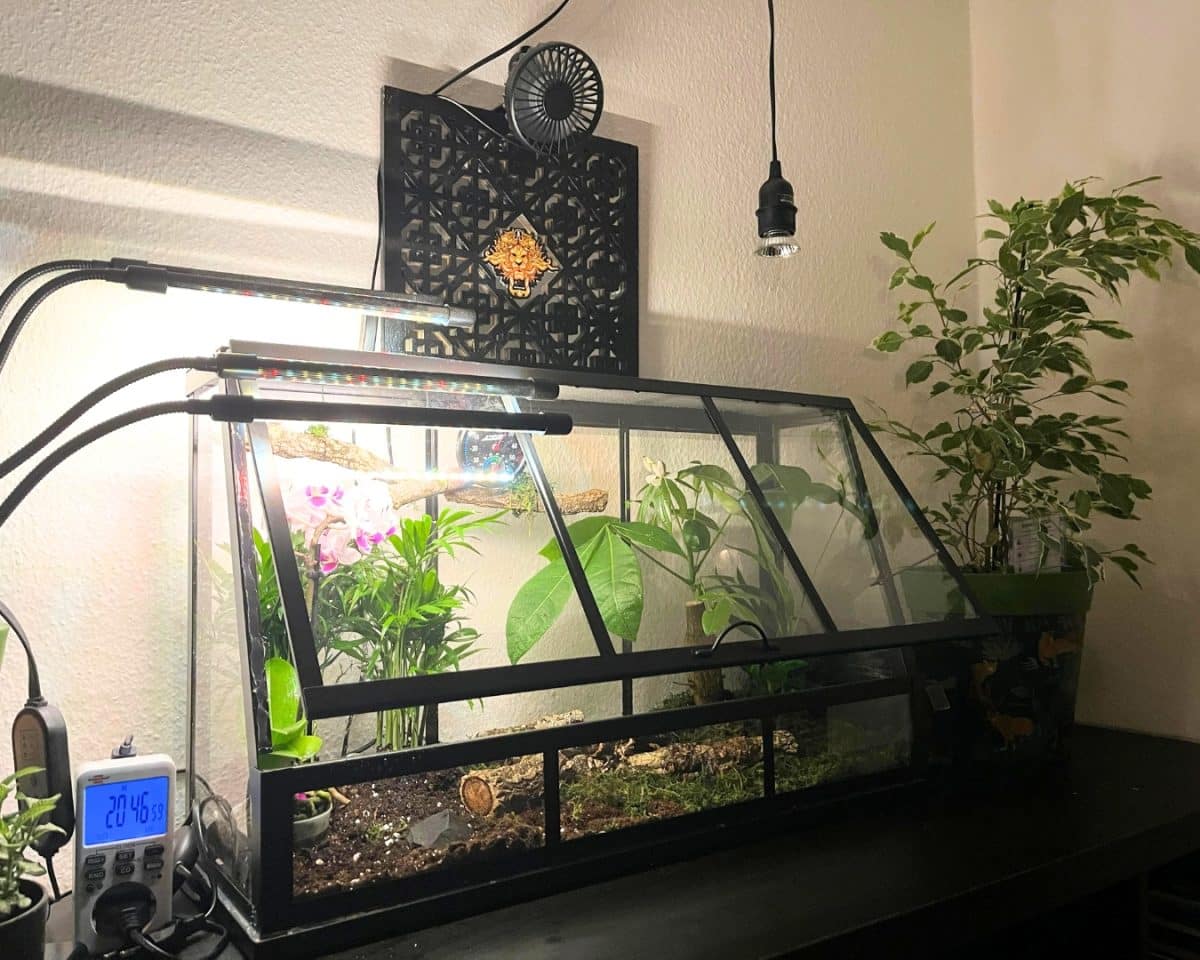
Attach your LED lamp. You could also use a heat mat underneath if you feel it is necessary. Once you finish your terrarium, it’s time to introduce your mantis (or resident of choice) to their new home.
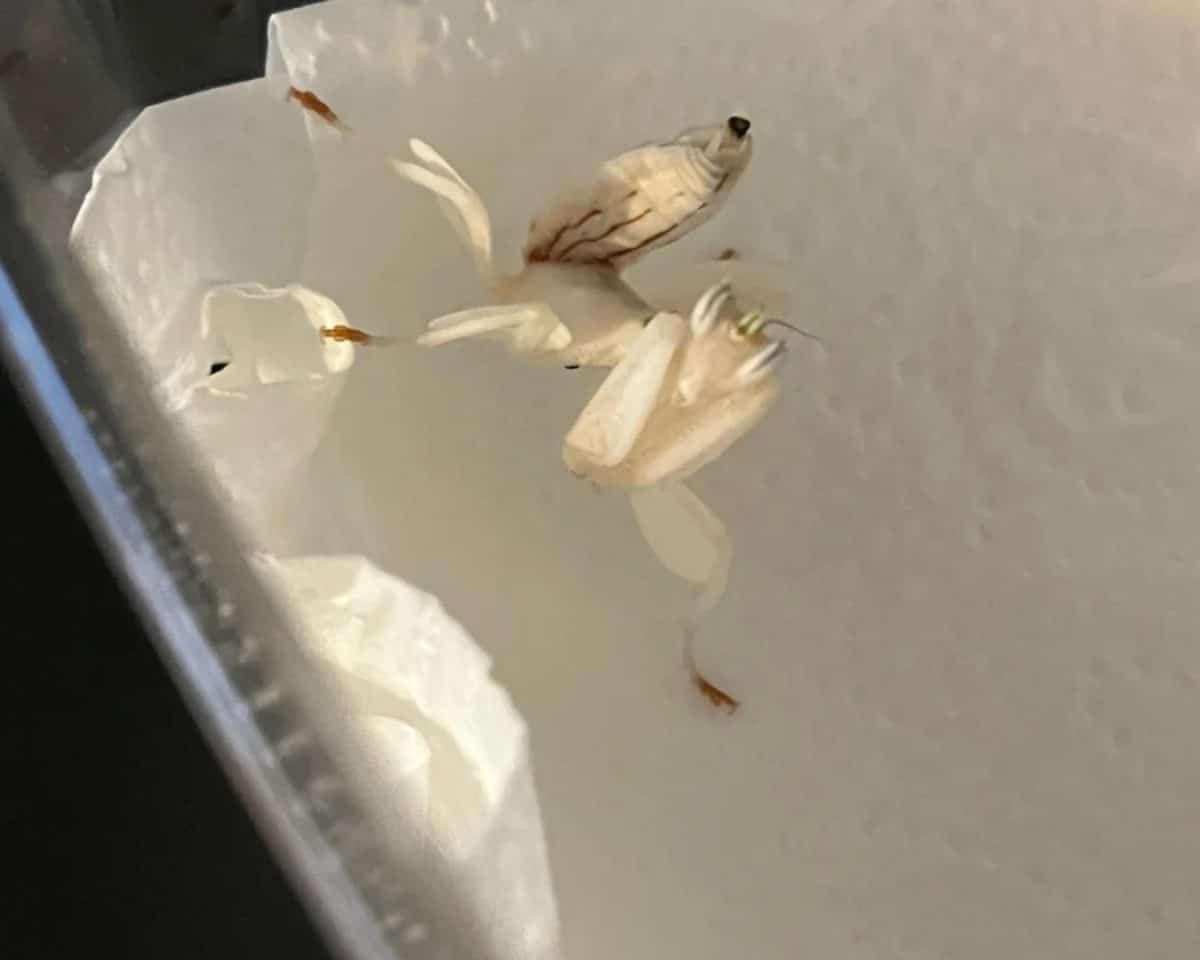
Learning as You Grow
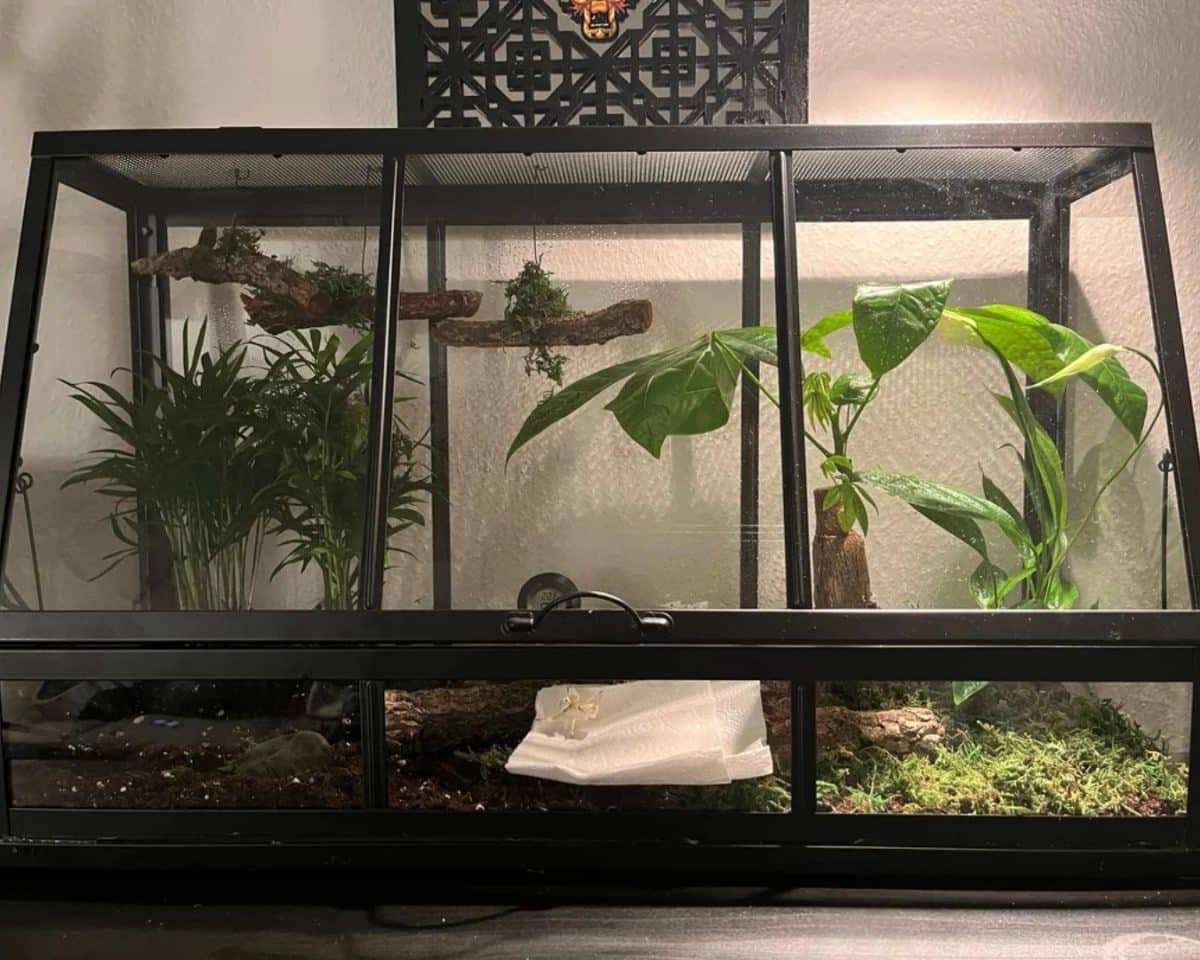
This was the hacker’s first orchid mantis, but they have a different mantis that lives in a smaller, standard terrarium. That setup is easier to manage and makes regulating temperature and humidity simpler. Therefore, they admit their new hacked version will be more challenging.
As mentioned earlier, they ultimately decided to add extra indirect ventilation and a few small details to make the project more complete. But, as with any DIY project, you learn as you go, continually improving and finding new ideas in the process.
This ongoing growth is one of the reasons sharing projects with other IKEA hackers is so helpful. You gain insights and perspectives you may never have considered. What do you think? Would you do anything differently?
Make sure to continue to check out Enzo_Limonelli on Reddit to see how they update their mantis mansion! In the meantime, if you have a hack to share, we’d love to see it!